
bathroom mirror price
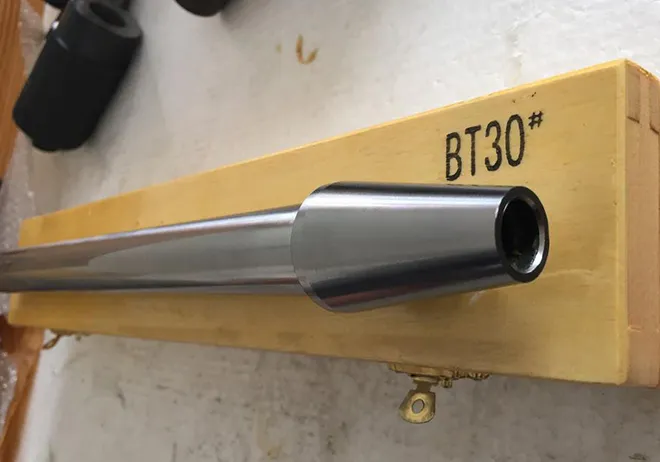
Understanding Morse Taper Gauges A Comprehensive Guide In the world of machining and precision engineering, the term Morse taper refers to a specific type of taper used to securely hold tools, primarily in lathes and drill presses. Named after its inventor, Stephen A. Morse, the Morse taper has become a standard in the industry due to its effective design and functionality. This article delves into the intricacies of Morse taper gauges, their applications, and their importance in ensuring precision and safety in manufacturing processes. What is a Morse Taper? A Morse taper is a self-locking conical fitting used primarily in machine tools to connect tools and holders. It features a series of tapered designs with increasing diameter measurements. This design ensures that tools can be easily inserted and removed while maintaining a secure hold during operation. The Morse taper system is available in several sizes—ranging from Morse Taper No. 0 to No. 7—where the number indicates the size of the taper, with No. 0 being the smallest and No. 7 being the largest. The Role of Morse Taper Gauges Morse taper gauges are precision measuring instruments utilized to determine the size and compatibility of Morse taper tools and spindle sockets. These gauges are critical for machinists and manufacturers who require a high degree of accuracy when selecting or verifying tool sizes. A Morse taper gauge typically features a series of tapered slots or pins, corresponding to the various Morse taper sizes. By inserting the gauge into the tool holder, users can confirm the correct taper size, ensuring a proper fit and stable operation. Importance of Accurate Measurements Accurate measurements in Morse tapers are crucial for several reasons 1. Tool Stability An accurate Morse taper fit minimizes vibrations and tool run-out, which can lead to poor machining quality and shortened tool life. 2. Safety A securely fitted tool reduces the risk of tool slippage, which can cause accidents during machining operations. morse taper gauge 3. Interchangeability In a workshop with multiple machines and tooling setups, having standard Morse taper sizes ensures that tools can be easily swapped between different machines without the need for constant readjustments. Utilizing Morse Taper Gauges When using a Morse taper gauge, follow these steps to ensure accurate measurement 1. Clean the Taper Before testing, ensure the Morse taper and the corresponding gauge are clean and free of debris. Dirt or grime can interfere with the fit and lead to incorrect readings. 2. Select the Appropriate Gauge Choose the gauge that corresponds to the size range you are measuring. It’s often beneficial to start with the smallest size and work your way up to find the most appropriate match. 3. Insert the Gauge Gently insert the gauge into the taper. There should be a snug fit without excessive force. If the gauge is too loose or too tight, it may indicate an improper match or wear on the tool. 4. Verify Fit Ensure that the gauge sits flush against the shoulder of the taper. A proper fit is essential for the tool to operate effectively and safely. Conclusion Morse taper gauges play a crucial role in the machining industry by providing machinists and manufacturers with the necessary tools to ensure accurate measurements and successful tool compatibility. By understanding the importance of Morse tapers and using gauges correctly, operations can achieve enhanced efficiency, quality, and safety. As industry standards continue to evolve, the significance of precise measuring tools, like the Morse taper gauge, remains steadfast in the pursuit of excellence in manufacturing and precision engineering. Whether you are a seasoned machinist or a newcomer to the field, leveraging the capabilities of Morse taper gauges is a fundamental step toward ensuring optimization in any machining operation.
about
bathroom mirror price
Understanding Metric Ring Gages A Detailed Overview In the realm of precision engineering, measurement plays a crucial role in ensuring the quality and accuracy of manufactured components. Among the various tools available for quality control, metric ring gages stand out as essential instruments for assessing the dimensional tolerances of cylindrical parts. This article delves into the significance of metric ring gages, their design, applications, and best practices for effective usage. What are Metric Ring Gages? Metric ring gages are precision measuring tools used to inspect the diameter of external cylindrical parts. They come in two primary types go and no-go gages. The go gage checks the minimum acceptable diameter, ensuring that the part can fit properly within a specified tolerance range. The no-go gage, on the other hand, verifies that the part does not exceed the maximum diameter specification. This dual approach allows manufacturers to maintain high standards of quality control by ensuring that components neither underperform due to being too small nor face issues due to being overly large. Design Features Metric ring gages are typically made from high-strength materials such as steel, carbide, or other durable alloys to withstand repeated use without significant wear. Their internal surfaces are ground to a high degree of precision, and they may also be subjected to heat treatment to enhance hardness and durability. The gages are calibrated to specific metric dimensions, making them suitable for international engineering applications. Common metric sizes typically fall within the range of 1mm to over 100mm, allowing for versatile usage across various industries. Applications The applications of metric ring gages are widespread and can be found in industries such as automotive, aerospace, manufacturing, and quality assurance laboratories. In the automotive sector, for example, they are critical for inspecting components like shafts, bearings, and gears, where precise fit is vital for performance and safety. In aerospace, where reliability is paramount, metric ring gages ensure that parts meet stringent quality standards. Moreover, these gages are valuable for assembly line processes where parts are frequently produced and measured. By implementing rigorous quality checks with metric ring gages, manufacturers can significantly reduce the risk of defects and improve overall production efficiency . metric ring gages Best Practices for Usage To maximize the effectiveness of metric ring gages, several best practices should be followed 1. Calibration Regular calibration of gages is essential to maintain accuracy. This should be done according to the manufacturer's recommendations or industry standards. 2. Cleaning Gages should be kept clean and free of contaminants. Dirt or machining residue can affect measurement accuracy, leading to potential misjudgments in part quality. 3. Storage Proper storage is crucial to prevent damage. Gages should be stored in protective cases and handled with care to avoid dropping or scratching them. 4. Training Ensure that personnel using the gages are adequately trained. Understanding how to use the tool correctly promotes effective measurements and reduces the likelihood of operator error. 5. Limitations Awareness Users should be aware of the limitations of metric ring gages, including temperature effects and material properties, which can influence measurement results. Conclusion Metric ring gages serve as indispensable tools in the field of precision measuring, playing a vital role in ensuring that manufactured components meet strict quality standards. By understanding their design, applications, and best practices for effective usage, manufacturers can enhance their measurement processes, leading to higher product quality and greater customer satisfaction. As technology continues to advance, the reliance on accurate and efficient measuring tools like metric ring gages will only grow, solidifying their importance in modern engineering and manufacturing.
-

High quality industrial productsagement

High quality industrial products
View Details -

Meet the diverse needs of customers

Meet the diverse needs of customers
View Details -

Strict quality control

Strict quality control
View Details -

Top raw materials

Top raw materials
View Details -

Trusted supplier

Trusted supplier
View Details
Our application


news and information
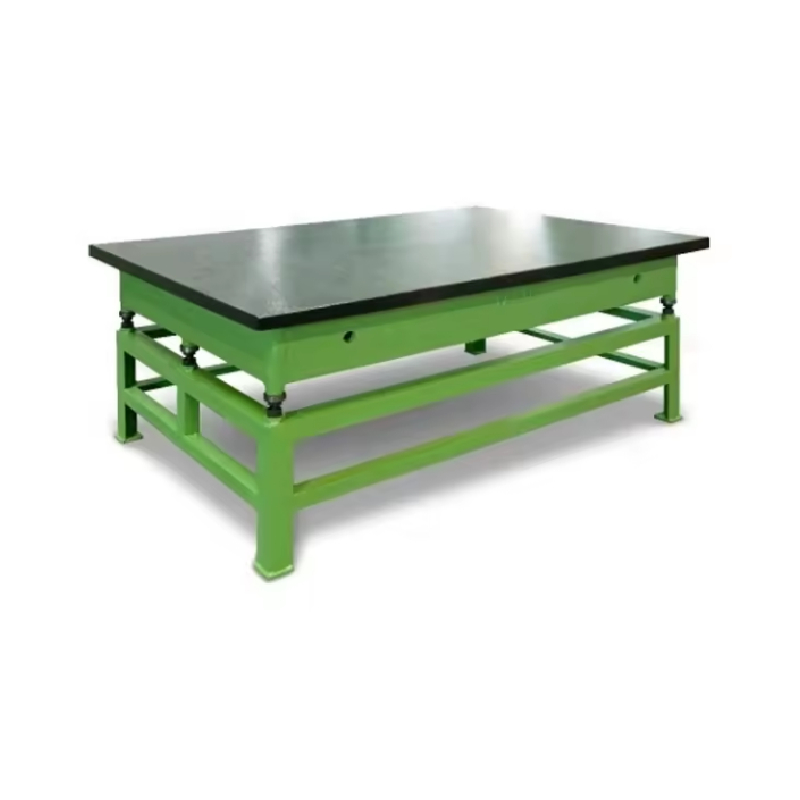
Versatile Welding Table for Efficient Workbench Solutions
The Importance of Welding Tables in Workshop Design Welding is an essential skill in various industr
What is a Water Valve_ _ Comprehensive Guide & Types
Understanding Water Valves Essential Components for Fluid Control A water valve is a fundamental com
What Are the Three Types of Control Valves_
Control valves play a crucial role in various industrial processes, regulating the flow of fluids to
 English